
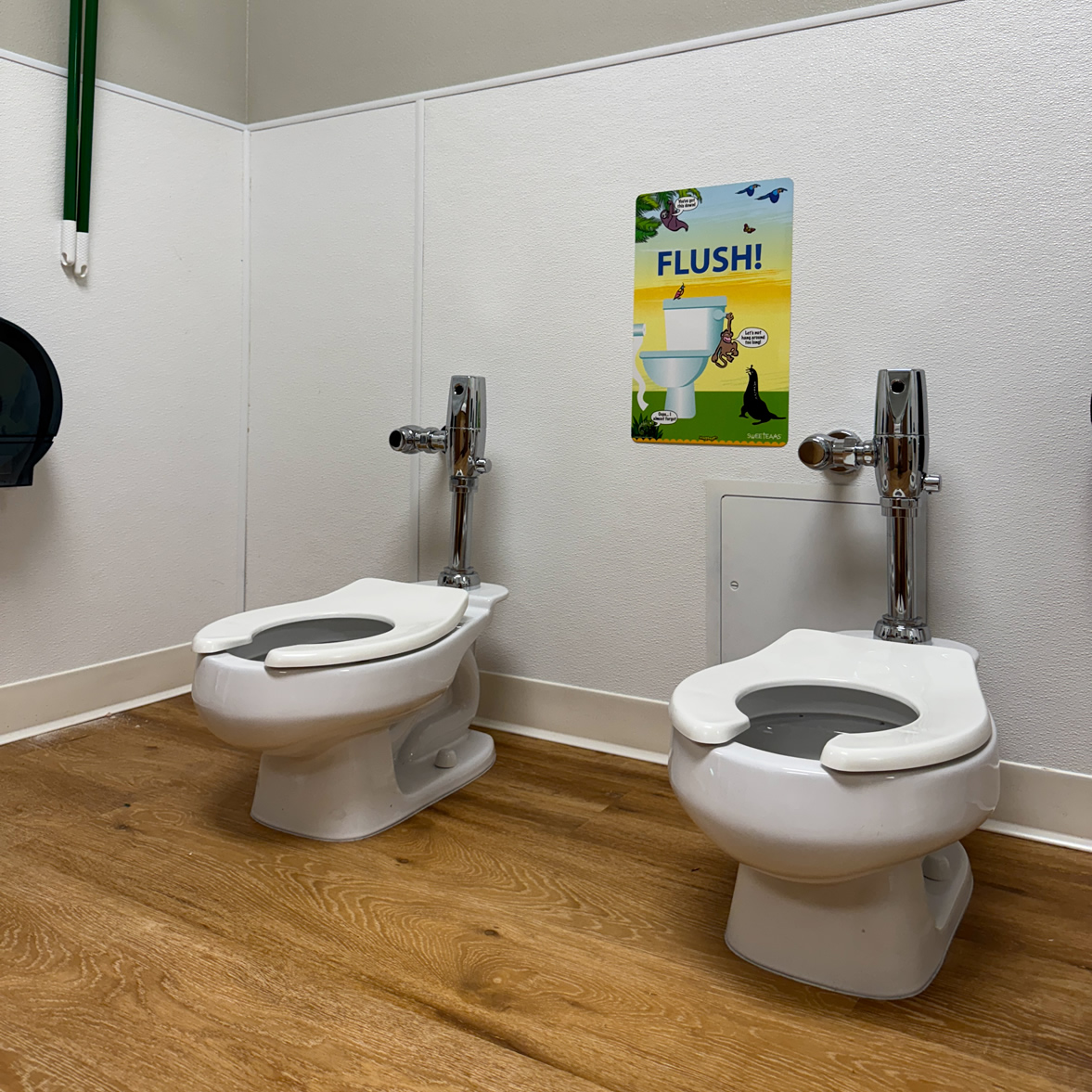
Potty training is a major milestone in a child’s development, marking the transition from diapers to independence. While every child learns at their own pace, recognizing the signs of readiness and choosing the right approach can make the journey smoother for both parents and children.
Signs of Readiness / Is Your Child Ready?
Most children show signs of potty-training readiness between 18 months and 3 years. Key indicators include staying dry for longer periods, expressing awareness of their bodily needs, and showing interest in the toilet.
Choosing the Right Method
Different approaches work for different children. Here are some popular potty-training methods:
- Child-Led Training: A gradual, low-pressure approach that allows children to take the lead when they feel ready.
- The 3-Day Method: A structured approach that requires full commitment for three days to establish habits quickly.
- Parent-Led Method: Parents set regular potty times, helping children develop a routine.
Setting Up for Success
Creating a positive environment is crucial. Use encouraging language, provide necessary supplies like potty seats and training pants, and avoid punishments. Encouragement and praise help build a child’s confidence and self-awareness.
Handling Challenges and Regression
Changes such as a new sibling, illness, or school transitions can cause regression. Identifying the cause, providing reassurance, and maintaining consistency can help children get back on track.
Nighttime Training
Nighttime training typically follows successful daytime training. Strategies include limiting fluids before bed and using waterproof sheets.
Potty training is a process, but with the right approach and mindset, it can be a smooth and rewarding journey toward your child’s independence!