
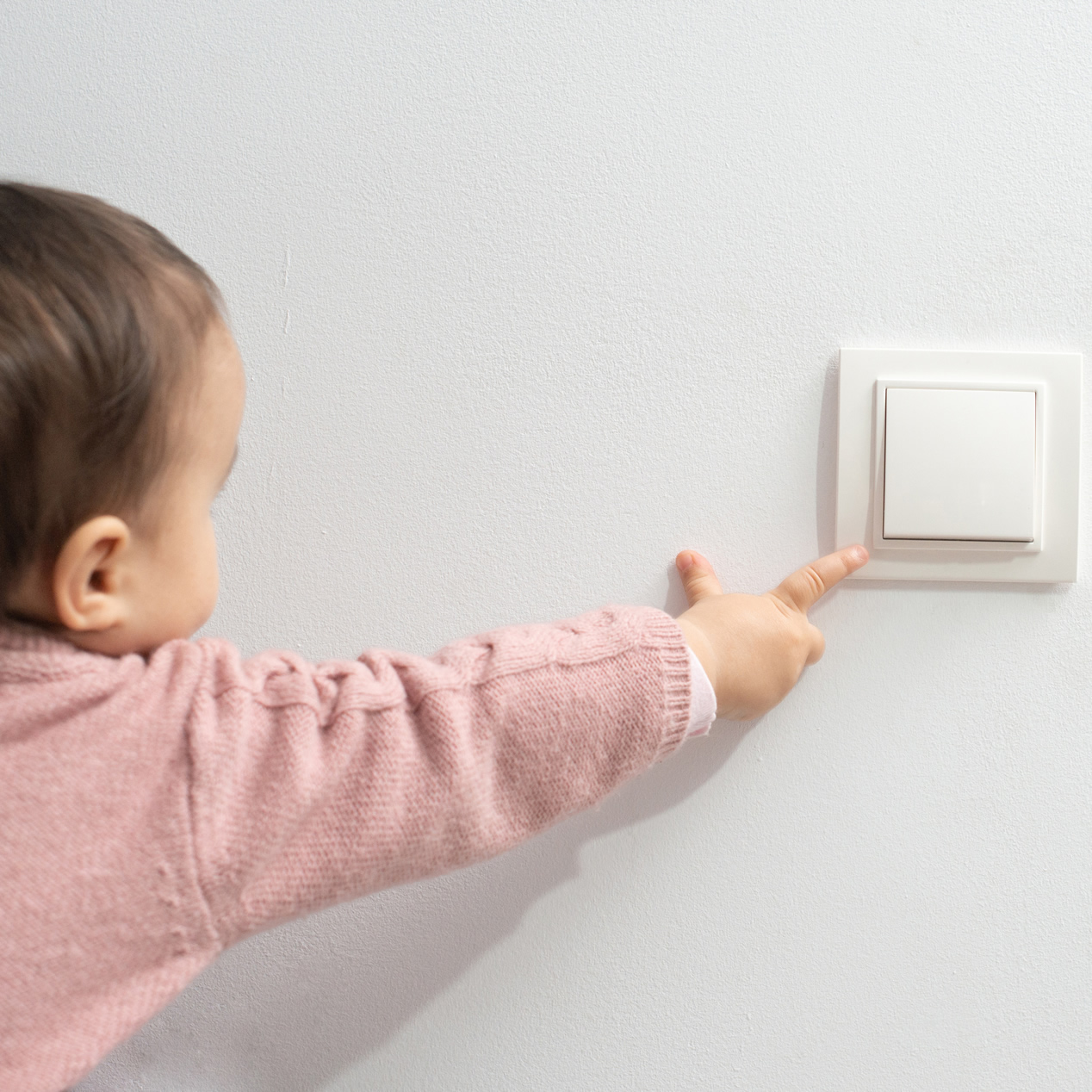
Children are naturally curious, and exploration is essential for their growth, helping them develop confidence, problem-solving skills, and physical abilities. However, unintentional injuries are the leading cause of harm for children under five, according to the CDC. While testing limits is important, caregivers must create a safe environment that allows for learning while minimizing risks. By balancing freedom with safety measures, children can explore and grow with confidence.
Common Non-Fatal Injuries & Prevention:
- Falls: Secure furniture, install safety gates, and supervise play.
- Choking: Keep small objects out of reach, cut food into small pieces, and choose non-hazardous, age-appropriate toys.
- Drowning: Never leave children unattended near water, secure pools, and empty tubs after use.
- Poisoning: Lock away household chemicals and medications and keep Poison Control phone number (1-800-222-1222) and other emergency contacts accessible.
General Home & Play Safety Tips:
- Keep sharp objects, cords, and hazardous items out of reach.
- Use childproof locks, outlet covers, and non-slip mats.
- Provide a safe play space by ensuring play areas are free of obstacles, use soft surfaces under activity structures and have age-appropriate equipment.
- Maintain active supervision, especially in high-risk areas.
By balancing safety and exploration, caregivers can create a secure space where children can grow and develop with confidence.